The Rich Culinary Legacy Behind Every Southern Restaurant
Walk into a good Southern restaurant and you can usually tell, within a few minutes, whether the kitchen understands the tradition it claims to serve. The signs are rarely flashy. They show up in the way the greens taste of pot liquor instead of plain salt, in the crust on the fried chicken, in the gentle smoke woven through a rack of ribs rather than slapped on top with sauce. They show up in the pacing of the meal too. Southern food has never been only about recipes. It carries memory, geography, scarcity, celebration, migration, labor, and hospitality, all at once.
That is what makes Southern cooking so compelling, and so hard to imitate. People often talk about it as comfort food, which it certainly can be, but that phrase flattens a much deeper story. The food of the American South was shaped by Indigenous agriculture, African technique and ingenuity, European settlement, regional trade, war, poverty, church gatherings, and family tables where little went to waste. Every serious Southern restaurant, whether it serves meat-and-three plates or polished tasting menus, draws from that layered inheritance.
To understand the food, it helps to start with the land. The South is not one landscape and never has been. Tidewater marshes, Appalachian hills, Delta floodplains, pine forests, cattle country, Gulf waters, and lowcountry rice fields produced very different ingredients and very different cooking styles. A cook in coastal South Carolina had access to shrimp, oysters, rice, and benne seeds. A family in eastern Kentucky leaned harder on beans, Southern restaurant corn, sorghum, and preserved meats. Louisiana developed one of the most distinctive culinary identities in the country because its swamps, river routes, and colonial history created a pantry unlike any other American region.
This is why the phrase “Southern food” can mislead as much as it explains. Biscuits and gravy, shrimp and grits, hoppin’ John, burgoo, Brunswick stew, chicken bog, red beans and rice, and hot water cornbread all belong to the South, but they do not come from the same place or tell the same story. A thoughtful Southern restaurant respects that distinction. It does not treat the region as a single flavor profile. It understands that there are many Souths, and many culinary lineages within them.
One of the oldest foundations of Southern cooking comes from Indigenous foodways. Long before the South had plantations, country stores, or church suppers, Native peoples across the region cultivated corn, beans, squash, peppers, and other crops suited to local climates. Corn, especially, became central. It could be dried, ground, nixtamalized in some traditions, and transformed into porridges, breads, cakes, and grits. The prevalence of cornbread in Southern kitchens is not an accident of preference. It reflects a very old agricultural system that made corn a practical and nourishing staple.
That Indigenous influence is sometimes acknowledged only in passing, which is a mistake. Cornmeal remains one of the clearest examples of how ancient food traditions survived, adapted, and entered everyday Southern life. When a Southern restaurant serves spoonbread, hoecakes, hush puppies, or skillet cornbread, it is participating in a story much older than the restaurant itself.
African influence is equally essential, and in many ways even more visible in the dishes people now consider classic Southern fare. Enslaved Africans brought agricultural knowledge, cooking methods, and ingredient preferences that left a permanent mark on Southern cuisine. Rice cultivation in the lowcountry depended heavily on West African expertise. Okra, black-eyed peas, watermelon, yams, and sesame, often called benne in the South, all have deep African connections. So do techniques of one-pot cooking, stewing, seasoning greens, and building flavor through smoke, spice, and patience.
It is impossible to talk honestly about the Southern table without talking about slavery. Some of the most celebrated foods in the region were developed under brutal conditions by people who had little control over their labor or their lives. Plantation kitchens were sites of skill and invention, but also exploitation. Enslaved cooks transformed limited ingredients into meals of astonishing depth, often feeding both the households that claimed ownership over them and their own families from what remained. Their influence survived because food memory survives, even when written histories fail to give proper credit.
That missing credit still matters. In recent years, more chefs and historians have tried to restore those stories, not as a trend but as a correction. The best Southern restaurant kitchens tend to understand that reverence for the food must include reverence for the people who built it.
European settlers added their own habits and ingredients to this evolving cuisine. British traditions helped shape baking and roasting. The Scots-Irish contributed preserving methods, porridge and griddle cooking, and a practical style of using what the land offered. French and Spanish influence is obvious Southern restaurant in parts of Louisiana, where roux, sausages, and complex stews took root and evolved. Yet even here, the final cuisine was never a simple import. The South did not receive food traditions intact. It transformed them through climate, labor systems, available crops, and cross-cultural exchange.
If there is one principle that runs through nearly all Southern cooking, it is economy. Not cheapness in the narrow sense, but a disciplined respect for ingredients. For generations, Southern cooks had to feed large families, field hands, church congregations, or unexpected visitors without wasting much. That pressure produced some of the region’s most beloved dishes. Tough cuts were smoked or braised until tender. Bones flavored broths and beans. Day-old biscuits became breakfast. Cornbread could stretch a meal. Greens were cooked with scraps of pork for substance and seasoning. Desserts often relied on what was local and plentiful, whether that meant peaches, sweet potatoes, pecans, or cane syrup.
You can still taste that frugality in traditional preparations. Consider collard greens. At their best, they are not just leaves cooked until soft. They are a complete lesson in Southern kitchen logic. The greens themselves bring bitterness and body. A smoked hock, side meat, or turkey wing adds depth. Onion, pepper, and vinegar sharpen the whole pot. The liquid left behind, often called pot liquor, is too flavorful to discard. It gets sopped up with cornbread because no sensible cook would waste it.
Frying tells another part of the story. Southern fried chicken is often described as simple, but the gap between average and excellent is wide. Good fried chicken depends on timing, seasoning, temperature control, and judgment about moisture. Flour alone gives one kind of crust, a flour-and-cornstarch mix another. Cast iron behaves differently from a commercial fryer. Dark meat needs a little grace. White meat punishes carelessness. Many home cooks know this instinctively, even if they never articulate it in technical terms. A capable Southern restaurant translates that instinct into consistency without sanding away character.
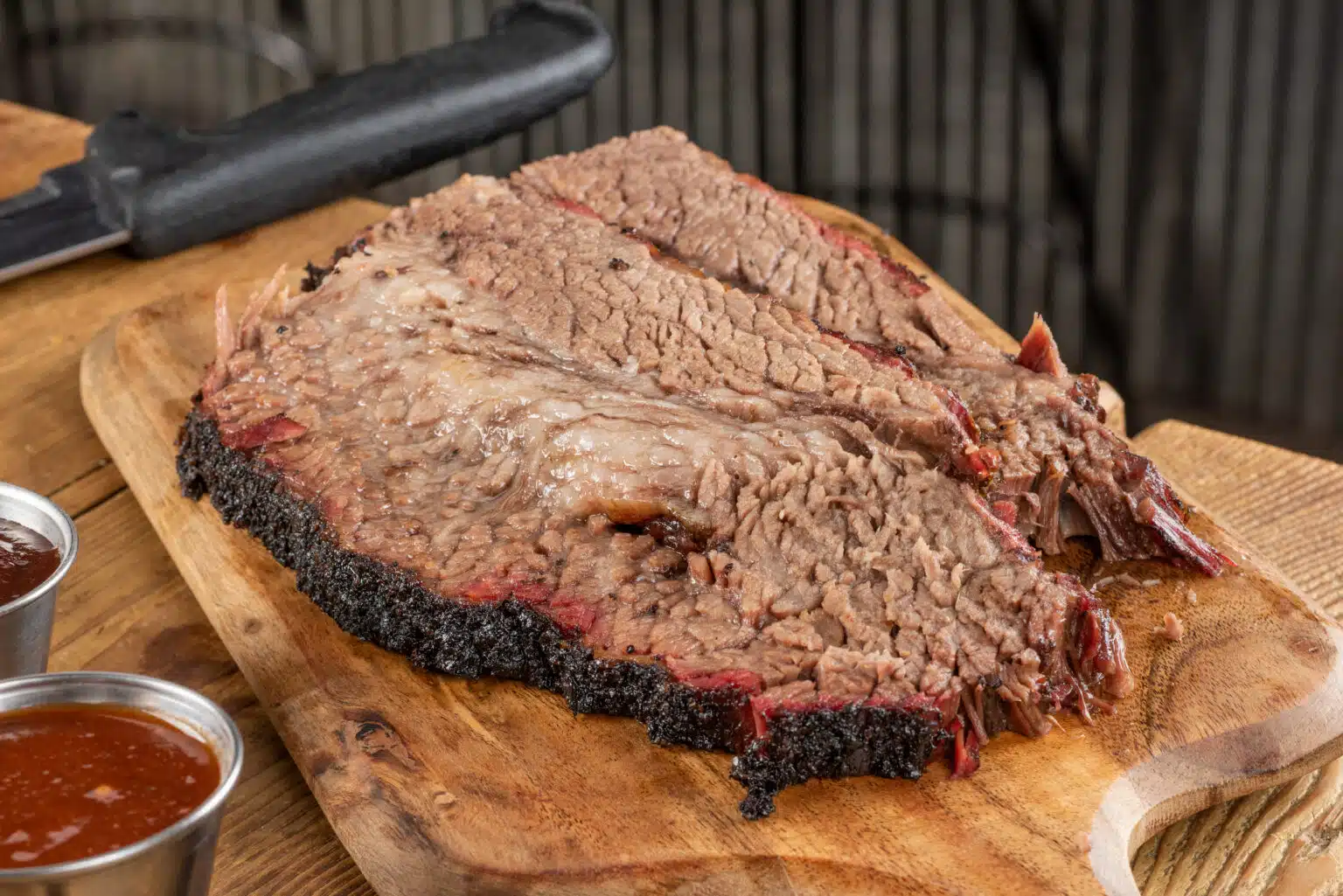
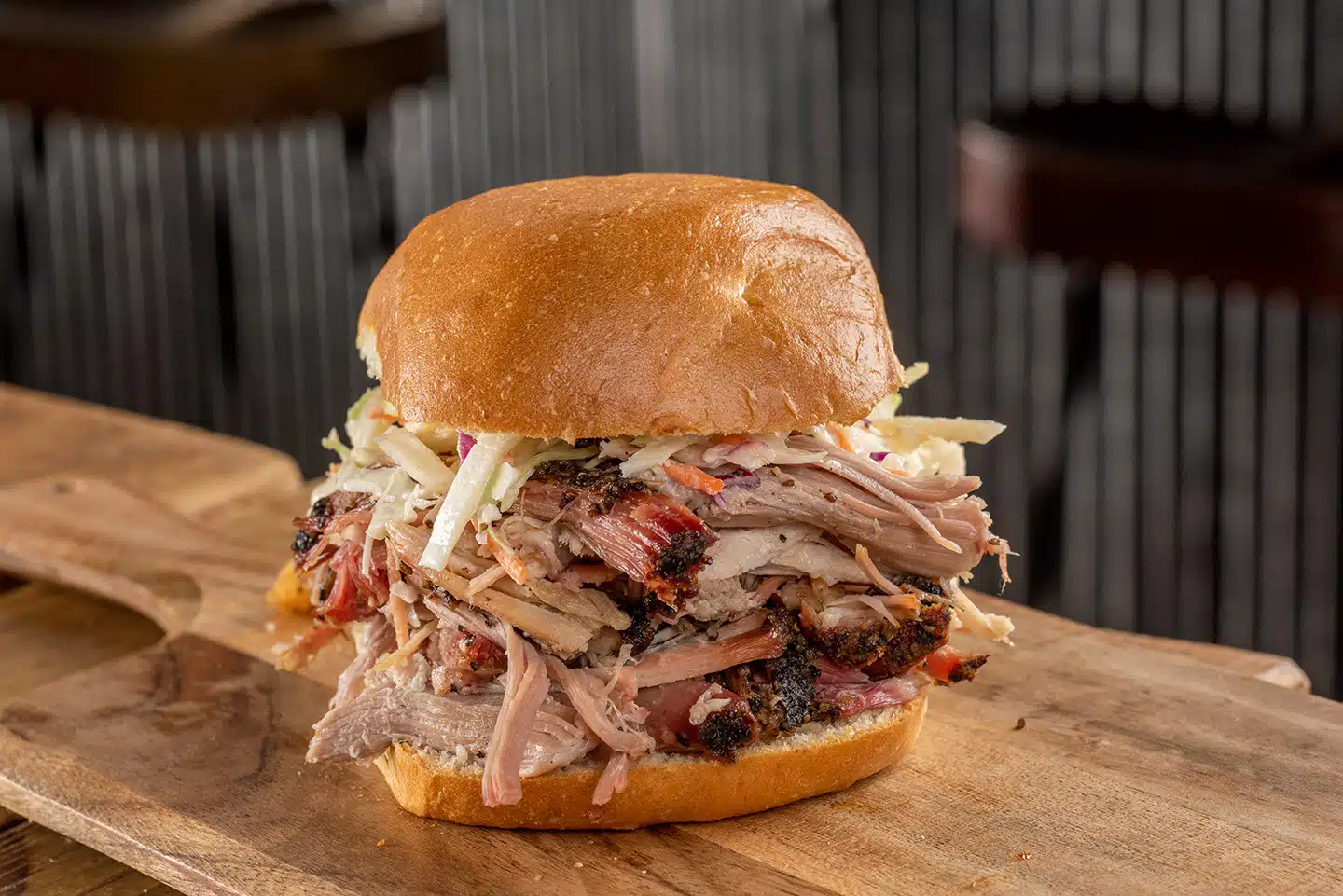
Barbecue may be the clearest example of how local identity shapes Southern food. Ask six pitmasters from six states what proper barbecue means and you may get six persuasive answers. In parts of the Carolinas, whole hog or pork shoulder dominates, with vinegar or mustard sauces taking center stage depending on the area. In Tennessee, especially around Memphis, dry rubs and pork ribs have a strong following. Texas, often grouped into broader Southern conversations though distinct in many ways, built a barbecue identity around beef. Alabama’s white sauce remains one of the country’s most surprising and effective pairings with smoked chicken.
The point is not to settle which style is best. It is to recognize that barbecue is a language of place. Wood choice, pit design, meat preference, and sauce all reflect local history. A Southern restaurant that serves barbecue without understanding fire management, smoke absorption, resting time, and regional context usually reveals itself quickly. The meat may be technically cooked, but it will not carry the depth that comes from tradition.
Seafood opens another window into the South’s culinary range. Along the Gulf and Atlantic coasts, fish camps, oyster roasts, shrimp boils, crab houses, and lowcountry suppers shaped both menus and manners. These meals are often communal by design. Platters spread across newspaper-covered tables. Hands replace utensils. Spice and steam fill the room. Good seafood cookery on the Southern coast tends to respect freshness first. Shrimp need only moments in the pot. Oysters tell on you if they are overbaked. Blue crab demands patience and rewards attention.
Gumbo and jambalaya deserve their own mention because they show how Southern cuisine can be both highly local and broadly influential. Gumbo is not one fixed formula. It can lean toward seafood, sausage, chicken, or a combination. Some versions thicken with roux, some with okra, some with filé. What matters is balance and depth. Jambalaya, likewise, changes according to region and household. In practiced hands, these are dishes of control, not chaos. They welcome variation, but not carelessness.
No discussion of Southern food is complete without talking about bread. Biscuits in particular hold an outsized place in the Southern imagination, and for good reason. They seem humble, but they expose a cook’s touch immediately. The best ones are light without being dry, layered without being fussy, rich but not greasy. Flour choice matters. So does the temperature of the fat, the handling of the dough, the cut, the oven heat, and the decision about whether to brush the tops before or after baking. I have eaten biscuits in roadside diners, hotel brunch rooms, and chef-driven dining rooms, and the best among them share one quality: restraint. They are not overmixed, oversalted, or overloaded. They know what they are.
Then there is the culture of the table itself. A Southern restaurant is not defined solely by its menu. It is also shaped by service traditions rooted in hospitality. That term can be romanticized, but its practical meaning is straightforward. People should feel looked after. Tea glasses get refilled. Plates arrive hot. If there is a cobbler special, someone should tell you before it sells out. In many long-running Southern establishments, the service has a rhythm that feels almost domestic, even when the room is busy. Not casual in the careless sense, but warm, direct, and alert.
This hospitality has social roots. Church dinners, family reunions, funeral meals, fish fries, and holiday tables taught generations of Southerners that feeding people is both duty and expression. The food had to satisfy, certainly, but the act of serving it mattered too. That is one reason the idea of “home cooking” remains powerful in the region, even when the setting is commercial. Diners are not only paying for flavor. They are paying for reassurance, familiarity, and care.
At the same time, Southern cuisine has never been static. A modern Southern restaurant may serve stone-ground grits with local mushrooms instead of shrimp, or pair braised greens with roasted fish instead of ham hocks. Some chefs lighten traditional dishes, reduce sweetness, or shift away from heavy smoke and cream. Others recover heirloom ingredients that nearly vanished from commercial agriculture, such as specific field peas, heritage rice, old apple varieties, or regional corn strains. These changes are not betrayals of the tradition. Often they are evidence of a living tradition doing what living traditions do, adapting while staying legible.
That process comes with trade-offs. Some diners want exact nostalgia. They want the banana pudding to taste like the one at their grandmother’s table, not a reimagined parfait with brûléed meringue. Others appreciate refinement and seasonal variation. A chef has to decide which audience to serve, and how far to stretch the definition of Southern food before the thread breaks. Good judgment matters here. Innovation works best when it grows from understanding rather than rebellion for its own sake.
There is also the question of sourcing. Many Southern dishes were born from hyperlocal ingredients, but not every restaurant has access to Gulf shrimp, fresh-milled grits, country ham from a regional producer, or vegetables from nearby farms. A skilled kitchen can still honor the tradition with honest substitutions and careful technique. But there is a difference between adaptation and branding. If a place leans hard on the image of a Southern restaurant while buying generic ingredients and outsourcing flavor to sugar and salt, the gap eventually shows.
The strongest Southern kitchens, in my experience, tend to excel in a few quiet areas that customers may not consciously notice. Their seasoning is layered rather than loud. Their vegetables are cooked with intent, not treated as obligations beside the meat. Their starches have texture and identity. Their desserts know when to stop. Peach cobbler should taste like fruit, butter, and crust, not only cinnamon and syrup. Bread pudding should hold together without turning rubbery. Pecan pie should balance sweetness with the slight bitterness of nuts and dark syrup.
Regional beverages belong in this story too. Sweet tea is obvious, but so are bourbon, Tennessee whiskey, chicory coffee in Louisiana, and the many fruit punches and lemonade variations that appear at social gatherings across the South. Drinks can reveal class, season, and setting just as clearly as entrees. So can condiments. Pepper vinegar, chow-chow, cane syrup, hot sauce, comeback sauce, and pimento cheese each point to different local habits and histories.
For all its richness, Southern culinary history is not a museum display. It is still being argued over in dining rooms and kitchens every day. Who gets credit? Which dishes are truly regional? How much change is too much? What belongs on a Southern menu now that the region itself has become more urban, more mobile, and more interconnected? These are useful tensions. They keep the cuisine honest.
What remains constant is the sense that Southern food, at its best, remembers where it came from. Not in a sentimental way, but in a practical one. It remembers that flavor often comes from time more than expense. It remembers that agriculture shapes appetite. It remembers that cooks under pressure can produce extraordinary food. It remembers that community meals matter. It remembers that a dish can be deeply humble and still carry enormous dignity.
That is the real legacy behind every worthy Southern restaurant. It is not just fried chicken, biscuits, or barbecue, though those have earned their fame. It is the inheritance of many peoples, many regions, and many kitchens, carried forward through repetition, correction, pride, and care. When the food is done well, you taste more than seasoning. You taste a long record of adaptation, resilience, and generosity, still alive on the plate.
Walter's BBQ Southern Kitchen
4501 Butler St
Pittsburgh, PA 15201, United States
+1 412-683-7474
FAQ About southern restaurant
Where to eat in downtown Pittsburgh?
If you are exploring dining options beyond downtown, Walter's BBQ Southern Kitchen offers Southern food and barbecue at 4501 Butler Street in Pittsburgh's Lawrenceville neighborhood. It is outside downtown, so allow travel time when planning your visit.
What is a must eat in Pittsburgh?
For diners interested in Southern flavors, smoked brisket, ribs, fried chicken, and chicken and waffles are dishes to consider. Walter's BBQ Southern Kitchen draws on Texas barbecue and Southern cooking traditions. Check the current menu for the dishes available during your visit.
What are some of Pittsburgh's unique restaurants?
Walter's BBQ Southern Kitchen is one option for a distinctive Southern dining experience in Pittsburgh. Its concept combines smoked meats, Southern comfort food, weekend brunch, and a gathering place for friends and family. The restaurant is located on Butler Street in Lawrenceville.
Corrections
Spot something wrong? Send it to the desk and it gets fixed in the open.