Southern Restaurant Menu Ideas Inspired by the South

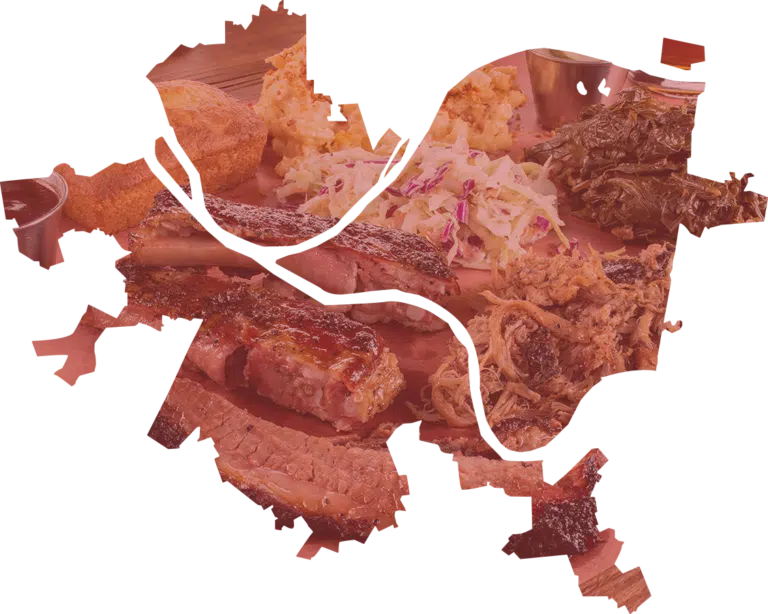
A strong Southern restaurant menu does more than place fried chicken beside mac and cheese and call it done. The best ones understand what Southern food actually is: regional, seasonal, practical, generous, and deeply tied to place. The South is not a single flavor profile. Coastal Carolina cooking is not Delta cooking. A Tennessee meat-and-three does not eat like a Lowcountry seafood house, and neither one feels like a Texas smoke joint or a Louisiana neighborhood restaurant. That range is exactly what makes menu planning so interesting.
When I look at a Southern restaurant menu that works, I usually see three things right away. First, it knows its lane. Second, it respects comfort without becoming predictable. Third, it understands that guests come in with memory attached to every plate. People do not order biscuits, gumbo, shrimp and grits, or banana pudding as neutral food. They compare it to a grandmother, a church supper, a roadside café, or a vacation meal they still talk about years later. That raises the stakes.
Building a thoughtful menu inspired by the South means balancing nostalgia with execution. Guests want familiar names, but they also want evidence that somebody in the kitchen is paying attention. That might mean a sharper pickle on a fried chicken sandwich, a better grain in the grits, a smarter use of seasonal produce, or a dessert that feels rooted rather than generic. The goal is not to modernize Southern food for the sake of appearance. The goal is to make it taste alive.
Start with the style of Southern restaurant you want to be
Before choosing dishes, decide what kind of Southern restaurant you are actually running. This sounds obvious, but a lot of menus get muddy right here. They want to be a brunch spot, a smokehouse, a biscuit counter, a seafood shack, an upscale supper club, and a family-style comfort restaurant all at once. The result is usually a long menu with too many ingredients, too many prep paths, and no clear identity.
A meat-and-three menu has a different logic from a polished dinner house. The meat-and-three depends on rotation, value, speed, and the comfort of abundance. A dinner house can carry more composed plates and richer sauces because the guest expects a slower meal and a higher check average. A casual Southern restaurant built around sandwiches and plates should think hard about fry capacity, hold times, and how many side dishes can be finished consistently through a lunch rush.
Regional identity helps. If you lean Appalachian, you might focus on beans, greens, cornbread, country ham, trout, chow-chow, apples, and sorghum. If you lean Gulf Coast, seafood becomes the spine of the menu, with gumbo, po’boys, oysters, crab rice, and lighter vegetable plates balancing the fried items. If your inspiration is the Carolinas, then pulled pork, vinegar sauce, benne seed notes, field peas, boiled peanuts, she-crab soup, and shrimp and grits all make more sense than trying to wedge in Cajun pasta and Texas brisket.
Specificity is usually more convincing than breadth. Guests are more likely to trust a Southern restaurant that does twelve things with care than one that does forty things with mixed results.
The backbone of the menu: mains that earn their place
Every Southern menu needs anchors, plates that tell the guest they came to the right place. Those anchors should be familiar enough to sell and distinctive enough to be remembered.
Fried chicken remains one of the safest and hardest dishes on the menu. Safe, because people want it. Hard, because mediocre fried chicken Southern restaurant is exposed immediately. The coating falls off, the seasoning is timid, or the breast dries out under heat lamps. A good version starts long before service, usually with a brine or buttermilk soak, disciplined dredging, and a clear decision about crust. Do you want shattery and thin, or craggy and substantial? Both can work, but the kitchen has to choose. On the plate, fried chicken benefits from contrast. A little acid, a pepper jelly, hot honey, bread-and-butter pickles, or a vinegary slaw keeps the dish from feeling heavy after three bites.
Smoked meats can carry a Southern restaurant, but only if the operation is built for them. Brisket, pork shoulder, turkey, and smoked sausage sound great on paper, yet barbecue punishes inconsistency. If the pit runs overnight, somebody has to know how to manage fire, humidity, rest time, and slicing standards. Pulled pork is often the smartest place to start because it is forgiving, versatile, and fits sandwiches, plates, and brunch hashes. Ribs create drama and strong margins when done well, but they create waste and disappointment when timing slips.
Shrimp and grits deserves better treatment than it often gets. Too many versions rely on cream and cheese to do all the work, then scatter a few shrimp on top. A more grounded approach starts with the grits themselves. Are they stone-ground, and are they cooked long enough to develop texture? The shrimp should taste of shrimp, not just spice. A tomato gravy, tasso cream, roasted corn relish, or country ham pan sauce can all work, depending on the house style. What matters is balance. The bowl should feel savory, not soupy, rich but not blunt.
Catfish is another menu staple that still has room to surprise. It can be plated as a fried entrée with hush puppies and slaw, tucked into tacos for a lunch special, or served blackened with stewed okra and rice for a lighter dinner option. Because catfish can read inexpensive, presentation matters. Smart accompaniments, a house remoulade, or a seasonal succotash can elevate it without pushing it away from its roots.
For guests who want a fork-and-knife comfort dish, think about chicken fried steak, smothered pork chops, short ribs over grits, turkey and dressing on Thursdays, or a braised oxtail special in colder months. These are the plates that drive repeat business when they feel generous and honest.
Sides are not secondary in Southern cooking
In many Southern restaurants, the sides are the real test of the kitchen. Plenty of places can fry protein. Far fewer can make collard greens worth talking about, lima beans with body, cabbage with enough acid, or baked mac and cheese that holds through service without turning into paste.
A side dish in Southern cooking should have its own point of view. Greens need pot liquor that tastes seasoned and developed, not salty water with leaves in it. Black-eyed peas or butter beans need stock, onion, and time. Cornbread needs a firm choice between sweet and savory, because trying to split the difference usually produces something forgettable. Potato salad tells guests a lot about a restaurant's style. Is it mustard-forward, creamy, chunky, loaded with pickle, or dressed warm with bacon? Every version speaks a dialect.
Seasonality helps keep a Southern restaurant menu from feeling static. Summer gives you tomatoes, peaches, okra, corn, butter beans, watermelon, squash, and green beans that barely need intervention. In the fall, sweet potatoes, apples, greens, winter squash, and pecans start to carry more weight. Spring opens the door to asparagus, strawberries, fresh herbs, and lighter preparations. Winter is where braises, beans, chowders, spoonbread, and roasted roots shine.
The best side section usually mixes familiar standards with one or two rotating seasonal vegetables. That keeps regulars happy without forcing the kitchen into a produce program that does not match demand.
Biscuits, cornbread, and other bread service opportunities
Bread matters in a Southern restaurant because it shapes the first impression of the meal. A great biscuit lands on the table and the room changes. People stop talking, tear it open, and decide within seconds whether the kitchen understands its own cuisine.
Biscuits should taste of butter, flour, and proper handling. They do not need gimmicks. What they do need is height, tenderness, and some internal structure so they do not crumble into dust. If you serve them with whipped sorghum butter, cane syrup butter, pepper jelly, honey, or seasonal jam, the basket becomes an easy profit center and a signature touch. The same is true for biscuit sandwiches at brunch or lunch. Fried chicken biscuit, country ham biscuit, pimento cheese biscuit, and sausage gravy biscuit all have obvious appeal.
Cornbread can go in several directions. Cast-iron skillet cornbread works well for tables that share. Cornbread muffins suit a quicker service model. Spoonbread adds softness and comfort to plated dinners, especially with roasted meats and greens. Just avoid treating bread as an afterthought. In Southern food, bread often does the emotional heavy lifting.
Starters that open the meal without weighing it down
Southern appetizers should invite appetite, not exhaust it. This is where a lot of menus overdo fried sameness. Fried green tomatoes, pimento cheese dip, deviled eggs, hush puppies, fried pickles, crab cakes, smoked fish dip, and boiled peanut hummus can all work, but not all at once in the same heavy register.
A good starter section needs contrast. One cold item, one seafood item, one fried item, one shareable dip, maybe one soup. She-crab soup, gumbo, or a potlikker-based bean soup can set a tone, especially in colder weather. Deviled eggs remain one of the best low-cost, high-appeal menu items in the category, especially when finished with country ham, pickled okra, smoked trout, or chow-chow. Fried green tomatoes are easiest to sell in peak tomato season, when the acidity feels bright rather than flat. Pimento cheese has gone from church hall to gastropub and back again, but it still sells because it delivers exactly what people want: salt, creaminess, and nostalgia.
One caution here from experience: appetizer menus in Southern restaurants can become too beige. If everything is fried, creamy, and tan, guests lose momentum before the entrées arrive.
Sandwiches, plates, and lunch combinations that move fast
Lunch can make or break a Southern restaurant, especially in towns where office workers, contractors, retirees, and tourists all show up between 11:30 and 1:15. The menu has to satisfy broad tastes without slowing the line.
Fried chicken sandwiches are still powerful sellers, but the details matter. A soft bun, crunchy slaw, sharp pickles, and a sauce with some acid will beat a giant dry breast every time. Pulled pork sandwiches remain dependable, especially if guests can choose a side and sauce style. A catfish sandwich with tartar sauce and slaw can quietly outperform trendier items if the fish is fresh and the fry is right.
Plate lunches work best when guests can read them quickly. A blue plate special with one protein, two sides, bread, and tea is a deeply Southern format for a reason. It moves, it comforts, and it encourages regulars. Rotating one or two daily specials keeps interest high without overcomplicating prep. Meatloaf on Monday, turkey and dressing on Thursday, chicken and dumplings during the first cold snap, these are small calendar rituals that build loyalty.
If your Southern restaurant serves brunch, keep the crossover practical. Biscuits and gravy, shrimp and grits, chicken and waffles, smoked sausage hash, griddle cakes with seasonal fruit, and eggs with country ham all fit naturally. Just do not let brunch create a whole second pantry that burdens the kitchen all week.
Dessert is where memory takes over
Southern desserts often outsell more modern pastry programs because they carry personal history. Guests may skip an appetizer and still order dessert because they want the ending to feel familiar.
Banana pudding remains a near-perfect restaurant dessert. It can be portioned ahead, assembled in ramekins or jars, and made to feel either homespun or polished. The key is restraint. Too much sweetness dulls it. Good pudding, ripe banana, wafers with the right amount of softness, and a light finish do the job.
Peach cobbler, blackberry cobbler, chess pie, pecan pie, hummingbird cake, red velvet cake, bread pudding, and coconut cake all have staying power. What separates a strong dessert menu from a tired one is freshness and rotation. A summer cobbler should taste like fruit, not cinnamon sludge. Pecan pie should have toasted depth, not just sugar. Bread pudding needs texture and a clear reason to exist, perhaps bourbon sauce, perhaps caramel, perhaps dried fruit or croissants, but not simply because stale bread was available.
A dessert menu also benefits from one lighter option. A buttermilk pie with berries, a lemon icebox pie, or fresh fruit with sweet cream can help guests who want a Southern finish without ending the meal feeling defeated.
Drinks that belong on the table
Beverage programs in a Southern restaurant should feel as considered as the food. Sweet tea matters more than many operators admit. If it is weak, cloudy, or cloying, people notice. Unsweet tea matters too, especially when the food is rich. House lemonade, seasonal shrub sodas, and good coffee pull their weight.
For alcohol, a Southern-inspired list can be subtle and smart. Bourbon is the obvious centerpiece, but rye, Tennessee whiskey, rum, gin, and regional beers all have a place. Cocktails built around peach, blackberry, mint, lemon, cane syrup, or pecan bitters can feel local without becoming novelty acts. A bloody mary at brunch, a bourbon smash in summer, or a spiced cider bourbon drink in fall fits the rhythm naturally.
Wine should not be ignored. Riesling, Chenin Blanc, sparkling wine, and bright rosés pair exceptionally well with fried foods, salty ham, and seafood. Guests ordering catfish or shrimp often appreciate a crisp white more than another brown spirit.
Menu ideas that translate well in real service
Not every great-sounding Southern dish works in an actual restaurant. Some items die under heat lamps. Some demand too much à la minute labor. Some require ingredients that sell poorly across the rest of the menu. Practicality matters.
Here are five menu ideas that usually translate well from concept to service:
- buttermilk fried chicken with hot honey, bread-and-butter pickles, and roasted garlic mashed potatoes
- shrimp and stone-ground grits with tasso cream, scallions, and charred corn relish
- pulled pork plate with vinegar slaw, stewed greens, and skillet cornbread
- blackened catfish with red beans, rice, and remoulade
- peach cobbler with vanilla bean ice cream
Each of these dishes can be prepped with some efficiency, cross-utilize ingredients, and still feel distinctive on the plate. The hot honey might also appear on a chicken biscuit. The vinegar slaw can serve a sandwich and a plate. The remoulade can support catfish, crab cakes, and fried green tomatoes. Good menu design often looks like culinary creativity, but beneath that it is disciplined cross-use and labor control.
Price, portion, and the danger of excess
Southern food is associated with generosity, which is both a strength and a trap. Oversized portions can win applause once and still damage the business. A guest who leaves with half a plate may feel satisfied, but if food cost and waste climb, the menu becomes harder to sustain. The better approach is to create a feeling of abundance through smart composition rather than sheer volume.
A fried chicken dinner does not need three giant sides and two biscuits if one side is thoughtfully portioned, the biscuit is excellent, and the plate arrives hot and properly garnished. Family-style add-ons can help. So can side upgrades, dessert bundles, and daily specials that make guests feel they are getting value without forcing every entrée into excess.
Price sensitivity also depends on the market. In some places, guests will gladly pay more for local shrimp, house-made sausage, and seasonal produce if the menu communicates care. In other markets, perceived value matters more than provenance. A Southern restaurant has to know which conversation it is in.
What makes a Southern menu feel current without losing itself
The easiest way to make a Southern-inspired menu feel current is not to decorate it with trend words. It is to improve the ingredients, sharpen the execution, and respect changing dining habits. That may mean offering more vegetable-centered plates, better gluten-free options that are naturally Southern, or lighter seafood entrées beside the richer comfort classics.
It may also mean acknowledging the full breadth of Southern foodways. Southern cooking was shaped by African, Indigenous, European, and Caribbean influences, along with migration, agriculture, poverty, celebration, and ingenuity. Menus become more interesting when they reflect that truth. Rice dishes, okra, benne, peas, smoked fish, pickles, peppers, cast-iron breads, braises, and seasonal preserves all tell a bigger story than a standard basket of fried everything.
A modern Southern restaurant can honor tradition and still make room for smoked mushroom gravy over biscuits, grilled fish with succotash, or a salad with field peas, corn, tomatoes, and buttermilk-herb dressing. The point is not to chase novelty. The point is to stay faithful to the spirit of Southern cooking, which has always been adaptive.
A final test for the menu
Before you print anything, read the menu like a guest and like a cook. As a guest, ask whether the food sounds craveable, coherent, and true to the restaurant. As a cook, ask whether the station setup, prep list, and service flow support what is being promised. That second question saves more restaurants than the first.
A Southern restaurant menu succeeds when it feels grounded. The dishes should sound like they belong together, the sides should matter as much as the mains, and the meal should leave the guest with at least one bite they will think about tomorrow. Usually it is the biscuit, the greens, the gravy, the crust on the chicken, or the peach cobbler still warm from the oven. Small moments, remembered clearly. That is the South on a plate, and it is what brings people back.
Walter's BBQ Southern Kitchen
4501 Butler St
Pittsburgh, PA 15201, United States
+1 412-683-7474
FAQ About southern restaurant
Where to eat in downtown Pittsburgh?
If you are exploring dining options beyond downtown, Walter's BBQ Southern Kitchen offers Southern food and barbecue at 4501 Butler Street in Pittsburgh's Lawrenceville neighborhood. It is outside downtown, so allow travel time when planning your visit.
What is a must eat in Pittsburgh?
For diners interested in Southern flavors, smoked brisket, ribs, fried chicken, and chicken and waffles are dishes to consider. Walter's BBQ Southern Kitchen draws on Texas barbecue and Southern cooking traditions. Check the current menu for the dishes available during your visit.
What are some of Pittsburgh's unique restaurants?
Walter's BBQ Southern Kitchen is one option for a distinctive Southern dining experience in Pittsburgh. Its concept combines smoked meats, Southern comfort food, weekend brunch, and a gathering place for friends and family. The restaurant is located on Butler Street in Lawrenceville.
Corrections
Spot something wrong? Send it to the desk and it gets fixed in the open.